

Overview
Masjid al-Ijabah (“the Mosque of the Answer”) is a small mosque north-east of Masjid an-Nabawi, not far from al-Baqi.
History
Sahih Muslim records from Sa’d ibn Abi Waqqas that the Prophet ﷺ came from al-Aliyah, passed the mosque of Banu Mu’awiyah, entered and prayed two rak’ahs, and made a long supplication. He then said: “I asked my Lord for three things; He granted me two and withheld one” — that his Ummah would not be destroyed by famine, nor by drowning, and the third (that they would not fight among themselves) was withheld (Sahih Muslim 2890).
Map
Visiting information
Open for prayers; can be combined with a visit to al-Baqi.
Related Ziyarat locations

Masjid Jumuah
The mosque marking where the Prophet ﷺ led the first Friday (Jumu'ah) prayer on his way from Quba into Madinah.
Read history & details →
Masjid an-Nabawi
The Prophet's Mosque in Madinah, founded by the Prophet ﷺ after the Hijrah and containing his blessed resting place.
Read history & details →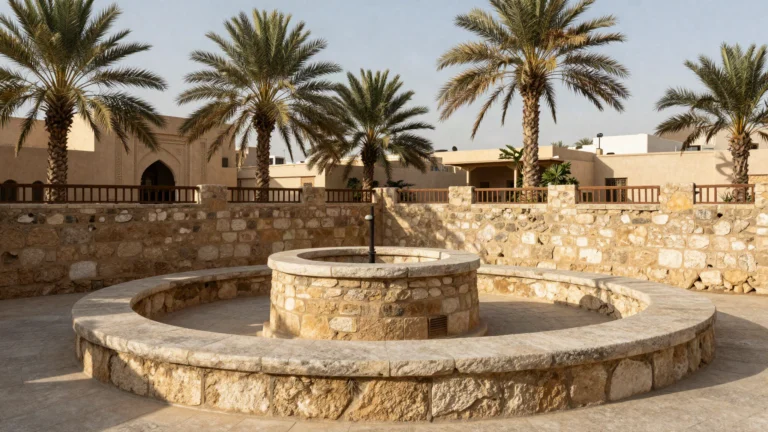
Bir Ghars
A historic well near Quba, one of the wells of Madinah associated in historical reports with the Prophet ﷺ.
Read history & details →
Masjid Quba
The first mosque built in Islam, founded by the Prophet ﷺ on his arrival at Quba during the Hijrah.
Read history & details →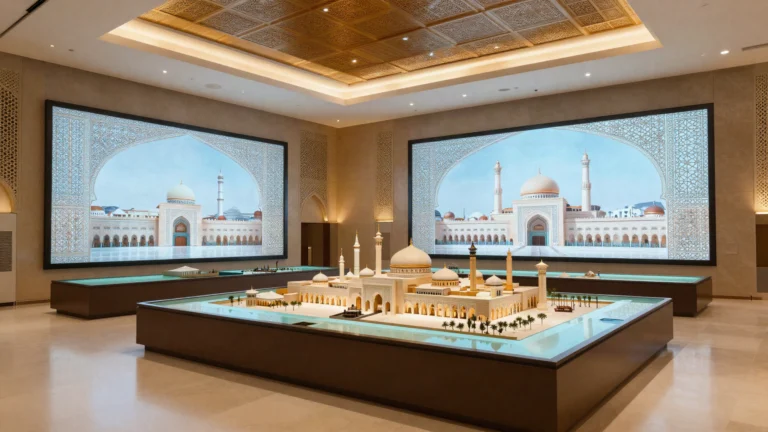
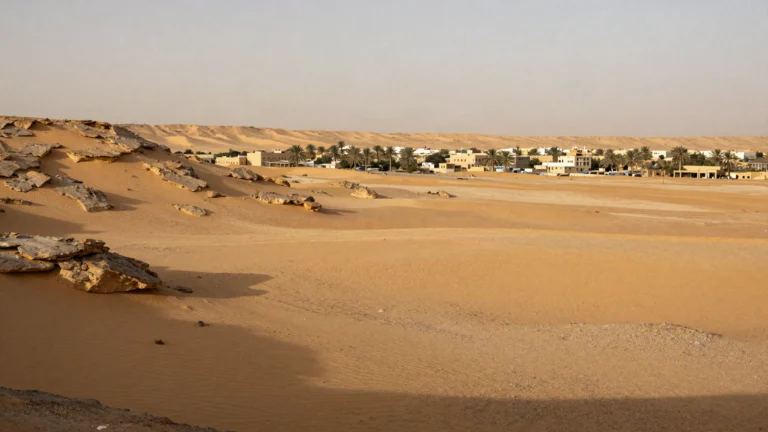
Badr
The site south-west of Madinah where the Battle of Badr (2 AH / 624 CE) — the first major battle of Islam…
Read history & details →Related Ziyarat tours & packages
Group Umrah
Organised Umrah for mosques, communities and families travelling together.
View details →Premium Umrah Package
Premium hotels near the Haram, private vehicles and personalised Ziyarat.
View details →Standard Umrah Package
Comfortable hotels closer to the Haram, private transfers and guided Ziyarat.
View details →Visit Masjid Ijabah with ZiyaraWay
Private and group Ziyarat tours with transport and guidance.
Book a Ziyarat tour Ask on WhatsAppSources & references
- Sahih Muslim 2890 — https://sunnah.com/muslim:2890a
Historical reports sometimes differ; where they do, this page notes it. Please consult qualified scholars for religious rulings. Visiting rules and opening times are set by the Saudi authorities and may change.
Leave a Reply